Potica is so deeply woven into Slovenian culture that Pope Francis is known to ask Slovenians about it whenever he meets them. He has openly expressed his fondness for this traditional cake, turning a simple festive dessert into a moment of cultural recognition at the highest level.
What begins as a question about food quickly becomes a reminder that potica is more than a cake. It is a symbol of Slovenian identity — one that resonates far beyond the country’s borders, even within the walls of the Vatican.

Potica is not an everyday dessert. In Slovenia, it is traditionally prepared for the most important moments – Christmas, Easter, weddings, and major family celebrations. Baking potica takes time, patience and skill, which is why it has always symbolised care, hospitality and togetherness.
At first glance, potica looks like a rolled cake with a distinctive spiral. In reality, it is a ritual. The yeast dough is rolled extremely thin, carefully filled, and slowly baked to perfection. Every step matters.
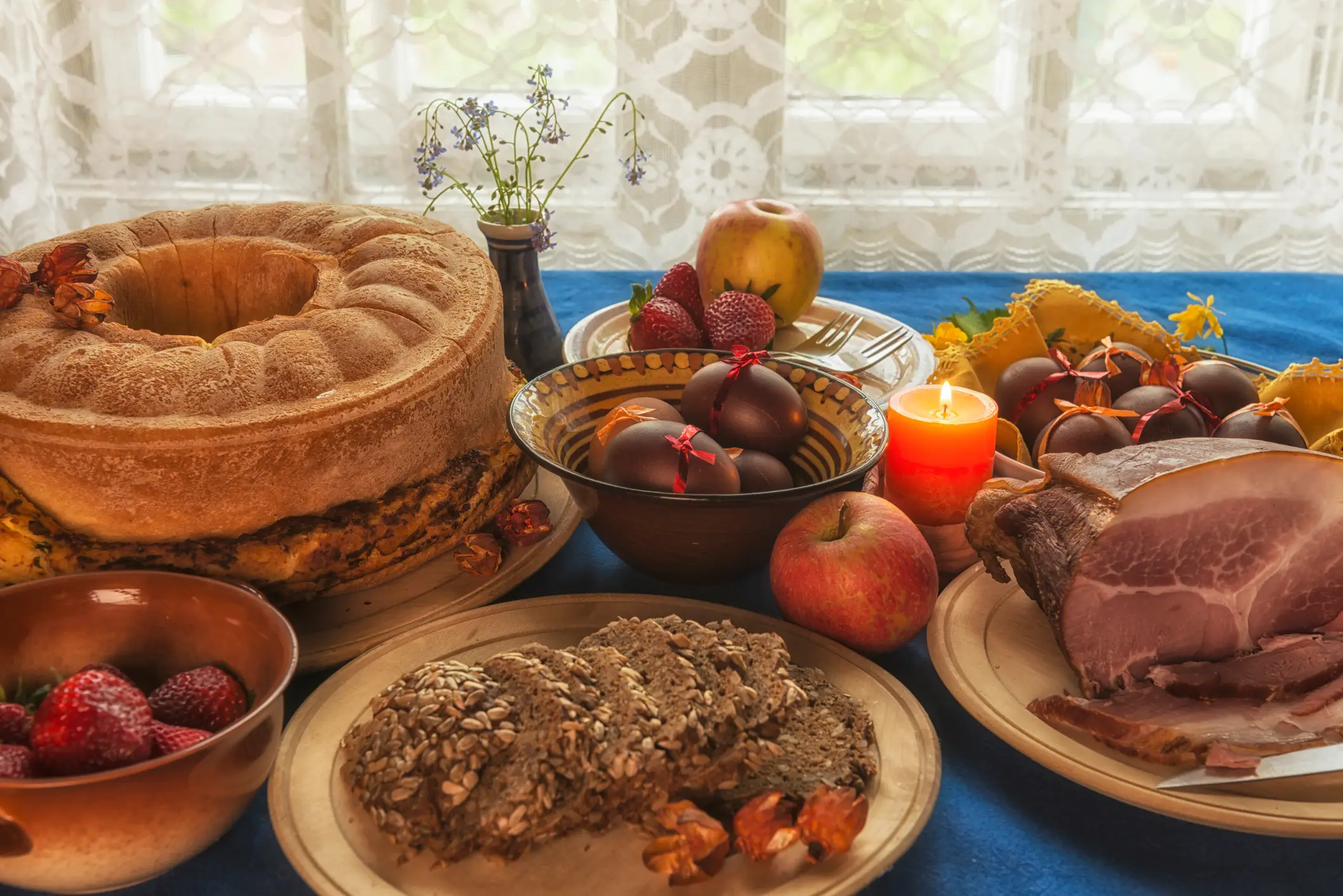
Potica has been part of Slovenian life for centuries. It was first mentioned in the 16th century by Primož Trubar, the author of the first printed books in the Slovenian language. Later, in 1689, the polymath Janez Vajkard Valvasor described it in detail in The Glory of the Duchy of Carniola, noting that potica was prepared by farmers, townspeople and nobility alike.
Over time, potica became deeply embedded in festive traditions across the country. By the 19th century, it appeared regularly in cookbooks and was already recognised as a cornerstone of Slovenian culinary heritage.
Today, Slovenska potica is protected under EU Traditional Speciality Guaranteed (TSG) status. This recognition ensures that only potica prepared according to strict traditional guidelines can officially carry the name.
A traditional potica is defined by:
The most classic version is walnut potica, but Slovenia is home to over a hundred variations, both sweet and savoury. One of the most unusual – and uniquely Slovenian – is tarragon potica, a flavour rarely used in desserts elsewhere in the world.
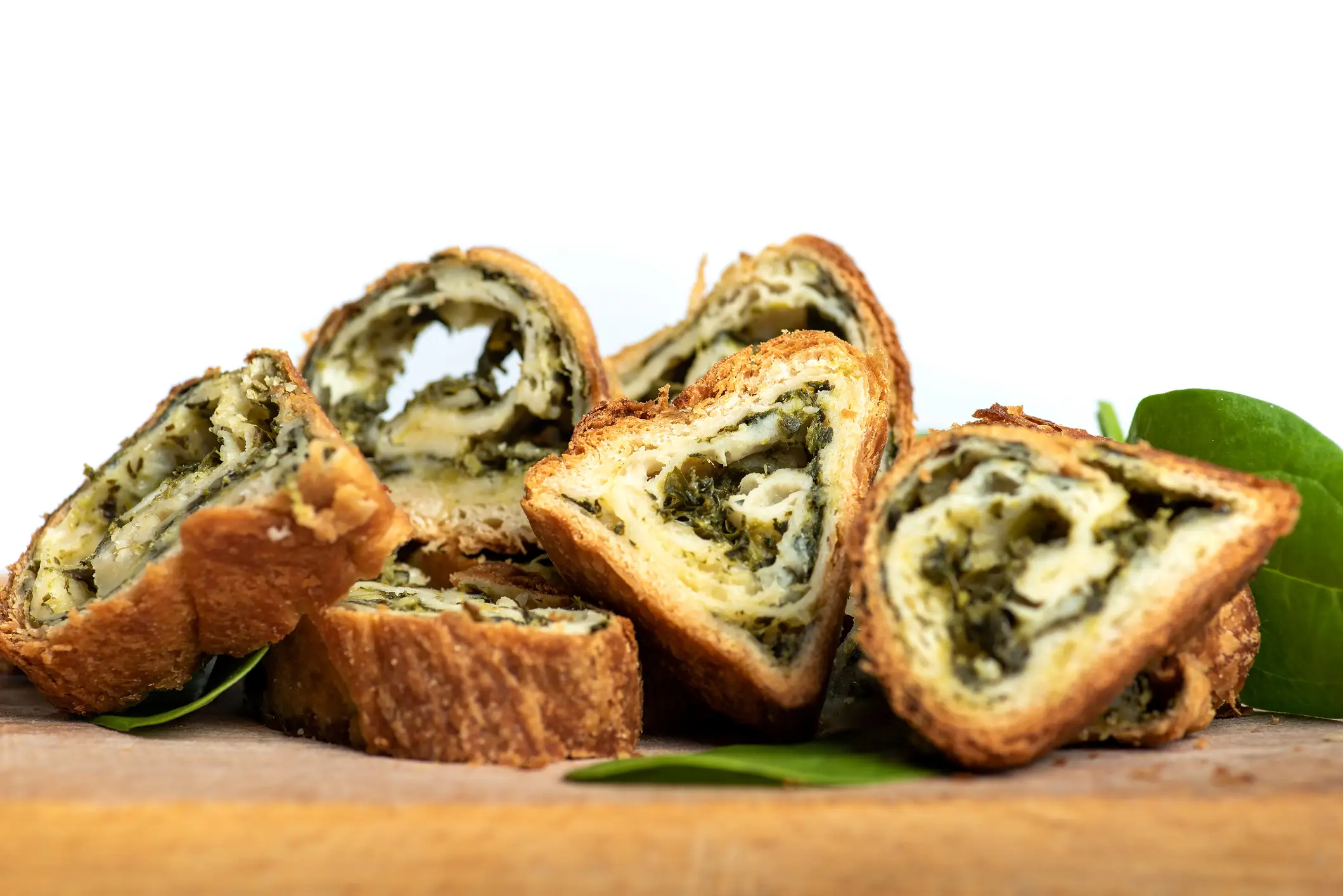
For today’s travellers, food is no longer just something to taste – it is something to experience. Potica offers exactly that.
In Slovenia, visitors can:
These experiences add depth and authenticity to cultural, incentive and luxury itineraries, turning a simple dessert into a lasting memory.
Potica is more than a cake — it is a symbol of Slovenian hospitality and pride. Experiencing it in its place of origin adds depth, meaning, and emotion to any journey.
We design curated itineraries where culture is felt, tasted, and remembered.


 Back to nomago.si